
That distinct “wet dog” smell is a common frustration for pet owners during rainy weather.
When water mixes with natural oils and dander in your dog’s coat, it creates that unmistakable odor – regardless of how clean your dog might be.
Luckily, a few simple adjustments can make a big difference. Here are five practical tips to help you manage rainy day walks and keep that wet dog smell at bay.
1. Use a Waterproof Dog Coat
A quality waterproof dog coat helps prevent the dreaded wet dog smell by creating a protective barrier between your pet’s fur and the rain. The right coat keeps your dog comfortable while blocking moisture from seeping into their coat.
Several types of raincoats offer different levels of protection:
- Hooded designs shield the head and neck
- Full-body styles cover the chest and legs
- Insulated versions add warmth for cold, wet days
- Reflective options improve visibility in dark conditions
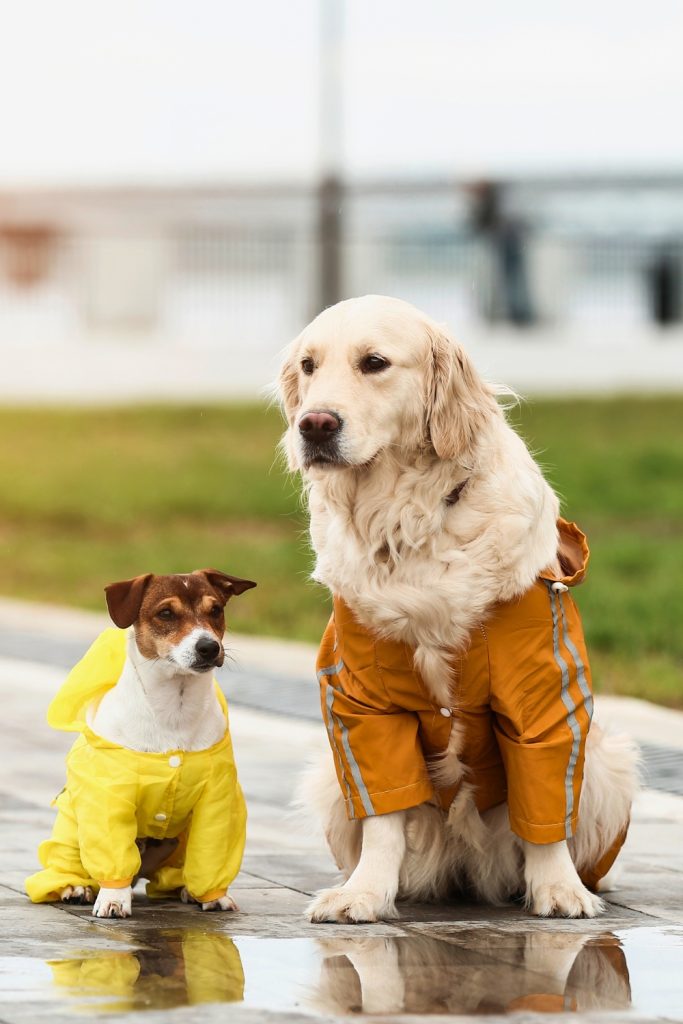
When selecting a coat, focus on proper fit and ease of use. The coat should:
- Allow natural movement
- Have openings for leash attachment
- Feature secure closures at the collar and belly
- Include coverage from neck to tail
Popular brands like Hurtta and Ruffwear offer durable options suited for different breeds and sizes. Look for water-resistant materials that still allow airflow to prevent overheating during active rainy walks.
2. Plan Safe and Comfortable Routes
When walking your dog in wet conditions, choosing the right route makes a big difference in safety and comfort. Look for paths with:
- Good drainage to avoid standing water
- Paved surfaces that offer stable footing
- Areas sheltered by trees or buildings
- Limited exposure to road spray from passing cars
- Quick access to covered areas if rain gets heavy
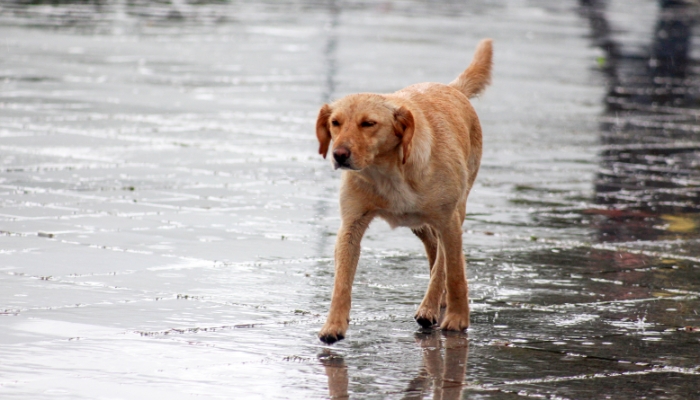
Some areas can become particularly dangerous during rainy weather and should be avoided whenever possible:
- Steep inclines where surfaces become slick
- Low-lying areas prone to flooding
- Construction zones with mud and debris
- Busy streets with heavy traffic splash
- Routes without proper lighting in dark conditions
Map out several backup routes near your home, ranging from quick potty breaks to longer walks. Consider creating a circuit that lets you cut the walk short if weather worsens. Having multiple route options helps you adapt to walking in wet weather while keeping your dog’s walking routine consistent.
Remember to scout potential paths during dry weather first. This helps you spot possible trouble areas and plan alternatives before you need them. Keep track of which routes work best in different types of rain – from light drizzle to steady showers.
3. Stay Visible with Reflective Gear
Rain makes it harder for drivers and pedestrians to see you and your dog. Use bright and reflective gear to stay safe, such as:
- LED collars or clip-on lights
- Reflective harnesses, leashes, or jackets
- Light-up leash handles
- High-visibility gear for both you and your dog
Place reflective items on different parts of your dog’s body (chest, sides, back, tail) for better all-around visibility. You can also wear matching reflective gear to show you’re walking together.
For early morning or evening walks, use battery-powered lights and test them before going out. Choose gear that stays visible even when wet, and look for products made for all-weather use to make sure they work in the rain.
4. Dry Your Dog Thoroughly After Walks
Microfiber towels stand out as the top choice for drying dogs after rainy walks. These specialized towels absorb significantly more water than standard cotton ones, making the post-walk drying process quick and effective.
Keep specific towels ready by your entry points and in your car. When drying your dog:
- Press the towel gently into the fur rather than rubbing
- Work systematically from head to tail
- Pay extra attention to paws and underbelly
- Use light, dabbing motions to prevent tangling
Many dogs need time to feel comfortable with towel drying. To help them adjust, start by placing the towel near their favorite resting spots so they can get used to its presence. Offer treats when they approach or sniff it to create a positive connection.
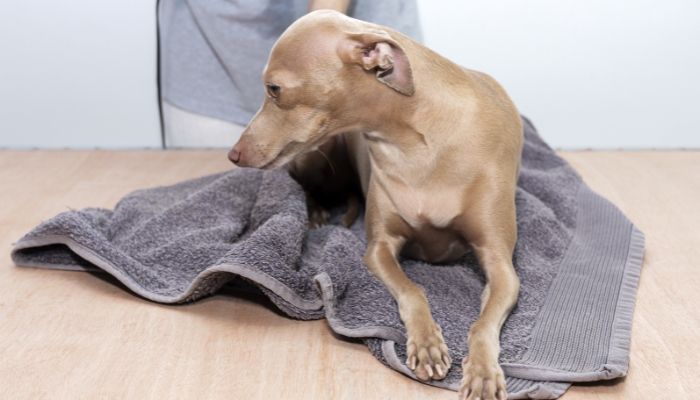
Once they’re familiar with the towel, try draping it loosely over their back for a few seconds, rewarding calm behavior with praise or treats. Gradually increase the time and contact during each session. With patience, your dog will learn to associate drying time with something pleasant, making post-walk cleanup much easier.
For maximum effectiveness, have multiple towels available – one for initial drying and another for final moisture removal. This approach helps reduce wet dog odor while keeping your pup comfortable after rainy adventures.
Replace towels regularly as they lose absorbency, and wash them frequently to prevent bacterial growth. Store clean towels in easily accessible locations for quick grab-and-dry sessions when returning from walks.
5. Use a Dog Dryer for Quick, Gentle Drying
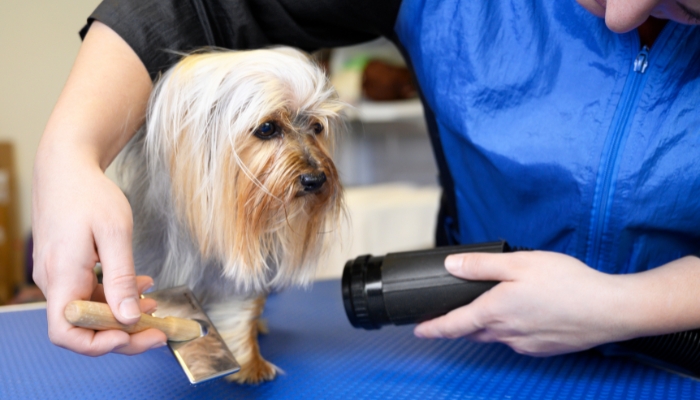
Dog-specific dryers are designed to remove moisture quickly using strong airflow instead of heat, which protects your dog’s skin and avoids overheating. When choosing one, look for options with adjustable speeds, cool air settings, and quieter motors to make the experience more comfortable for your pet.
To help your dog get used to the dryer, start slowly. Let them see and sniff it while it’s off, then reward them with treats as you introduce the noise from a distance. Begin drying sessions on a low setting, focusing on less sensitive areas like the back and sides, and always keep the airflow moving to avoid discomfort.
If your dog is nervous, try using music to mask the sound or take short breaks. Dry in the direction of hair growth and pay special attention to thick or hard-to-reach areas where moisture tends to stay. With gentle practice and patience, your dog will gradually feel more relaxed during the process, helping you keep them dry and fresh after rainy walks.
Rainy walks don’t have to be a source of stress for you or your four-legged friend. With proper gear, careful route planning, and the right drying techniques, you can transform potentially messy situations into positive experiences. Remember that each dog is unique – what works for one might not suit another.
Take time to experiment with different combinations of these strategies until you find what works best for your pup. Soon enough, you’ll both be confidently navigating wet weather together, turning those rainy day walks from a challenge into an adventure you both can enjoy.
