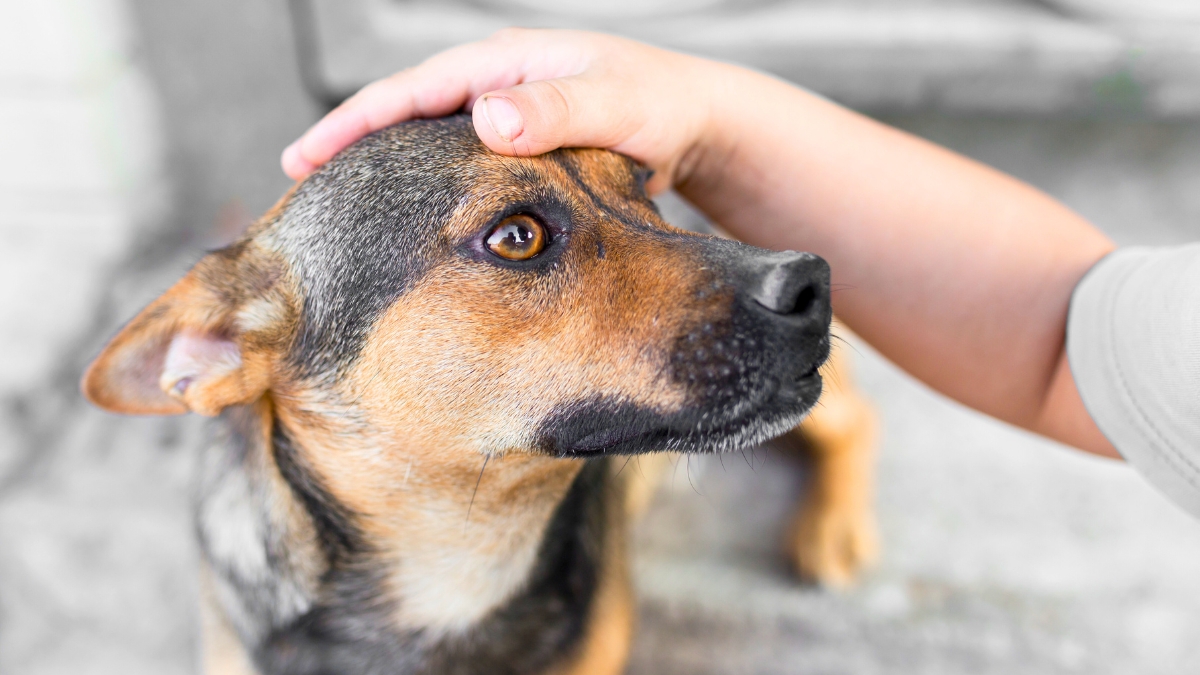
Petting a dog’s head might seem like a loving gesture, but for many dogs, it can feel like the complete opposite.
Understanding how dogs perceive touch is crucial for strengthening your bond and making them feel comfortable. Some dogs tolerate head pats, but that doesn’t mean they enjoy them.
Let’s explore why petting a dog’s head isn’t always a good idea and the common mistakes that many dog owners make.
Why Do We Always Pet Dogs on the Head?
Have you ever stopped to think about why we instinctively reach for a dog’s head to show affection?
It’s something we do almost without thinking, and there are a few reasons behind this habit.
First, it’s convenient. A dog’s head is usually at hand level, making it the easiest place to reach.
But there’s also a more human reason: social behavior. For us, touching someone’s face or head is an intimate act that shows love or connection.
Think about how we ruffle a child’s hair or touch someone’s face before a kiss—it’s a universal gesture of affection.
So naturally, we assume petting a dog’s head conveys the same love. But does your dog actually enjoy it?
What’s the Problem with Head Pats?
You might be surprised to learn that while we see dogs as cute and cuddly, they see us as giants.
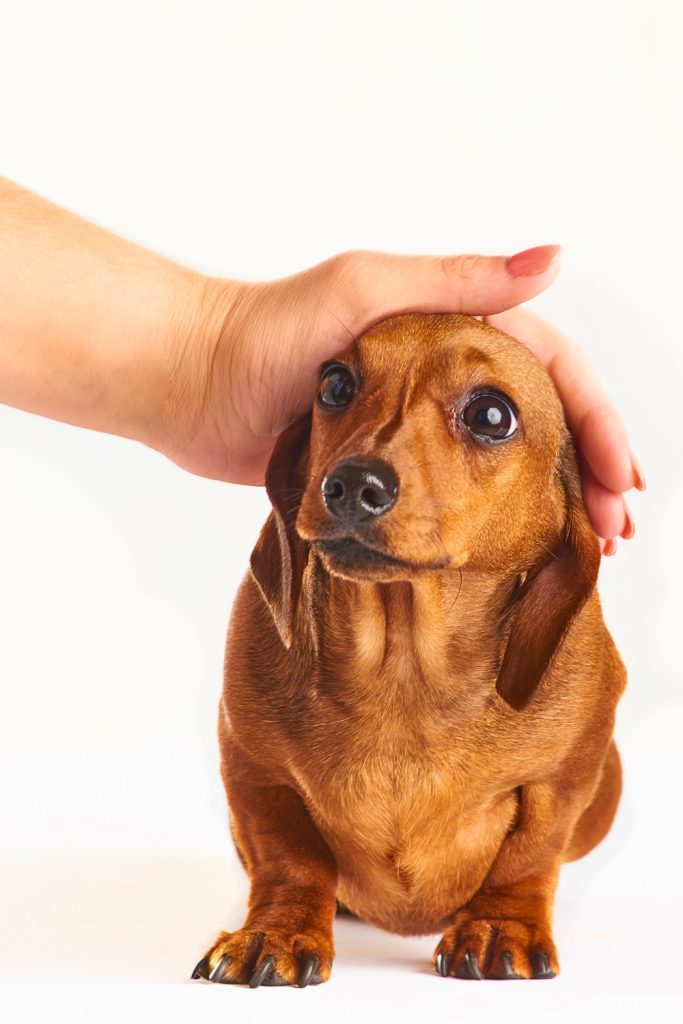
Imagine how it feels for your dog when someone much bigger than them leans down and reaches for their head—it can be intimidating.
From your dog’s perspective, an outstretched hand coming at their head might not scream “love”; it might feel like a threat.
Dogs rely heavily on their noses, which are often close to the ground. A sudden touch on the top of their head can catch them off guard, almost like being pounced on by a bigger dog.
Now, some dogs learn to tolerate head pats, but that doesn’t mean all dogs feel the same way. Recognizing the subtle signs of discomfort is key.
How Can You Tell If Your Dog Doesn’t Like Being Petted?
Dogs don’t always bark or growl when they’re uncomfortable. Their cues can be subtle, so here’s what to watch for:
- Lip-licking or yawning: If your dog licks their lips or yawns while you’re petting them, they might be trying to calm themselves in an uncomfortable situation.
- Whale eyes:This happens when you see the whites of their eyes as they glance sideways—a clear stress signal.
- Pulling away: If your dog moves away or ducks their head, it’s a clear “no thanks” to your touch.
- Ears pinned back: A dog’s ears are like mood detectors. Flat ears can indicate fear or unease.
- Stiff body:A tense or rigid posture is a sign they’re not loving the attention.
By paying attention to these signs, you’ll not only make your dog feel safer but also strengthen your bond.
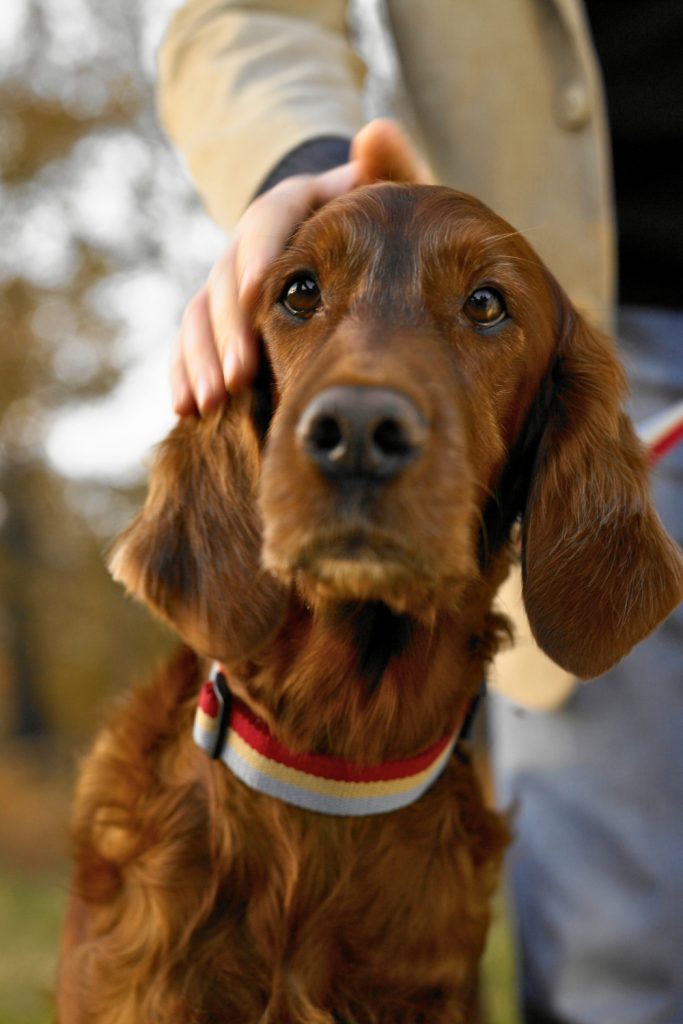
6 Common Mistakes When Petting Your Dog’s Head
1. Approaching the Wrong Way
If you want your dog to enjoy being petted, nailing the first move is key.
Instead of coming at them head-on, try approaching from the side—it’s far less intimidating.
Once you’re beside them, crouch down to their level. Being eye-to-eye helps them feel more at ease.
Instead of jumping right into their personal space, give your dog the chance to come to you. Letting them make the first move gives them a sense of control and helps them feel more comfortable.
Start by offering your hand with the palm facing down so they can sniff it. If they approach and give your hand a good sniff, it’s a sign they feel safe and are open to more interaction.
From there, you can gently start petting their head, but always keep an eye out for any signs that they might be feeling uncomfortable.
2. Petting Too Roughly
Even if your dog is okay with being petted, rough petting can be overwhelming.
You might feel tempted to ruffle their fur or give their head a vigorous rub, but for your pup, that can feel too intense.
Instead, keep your touch gentle and your movements slow. This helps your dog relax more with each stroke.
3. Picking the Wrong Spots
While the top of the head isn’t a favorite for most dogs, there are better spots they actually enjoy.
Many dogs love being petted behind the ears, as it’s a sensitive and comforting area.
They’ll start to relax, maybe even close their eyes, and sometimes they’ll lean into your hand like, ‘Hey, don’t stop now—keep it coming!
But there are some places you should avoid:
- Paws – Most dogs are protective of their paws and don’t like them touched.
- Tail – A dog’s tail is a key communication tool, and most aren’t too keen on having it messed with.
Instead, focus on areas like the chest, lower back, and shoulders—these spots provide comfort and security.
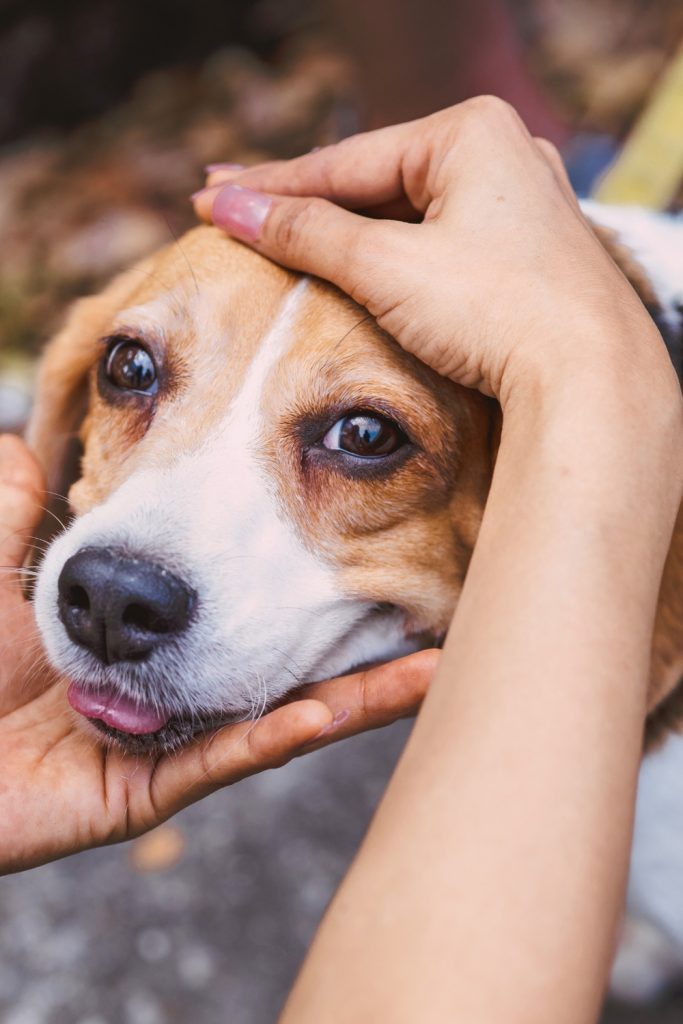
4. Petting for Too Long
Knowing how much to pet your dog is just as important as knowing how to do it.
Petting for too long can make them uncomfortable, even if they seemed to enjoy it at first.
A good rule of thumb? Keep it short and sweet.
Pause during petting—if your dog leans in or comes closer, that’s your green light to continue. But if they back away or seem uninterested, it’s time to stop.
Respecting their boundaries shows that you truly care about their comfort, and it builds even more trust between you and your furry friend.
5. Not Telling Strangers to Avoid Petting Your Dog’s Head
As a dog owner, it’s your job to make sure your pup’s interactions with others are positive.
If someone wants to pet your dog, don’t hesitate to let them know the best way to do it. You can say something like:
- “He prefers being petted on his shoulders, please.”
- “He’s not feeling very social today.”
Most people will respect your guidance, and you’ll help keep interactions stress-free for your dog.
Remember, it’s your responsibility to advocate for your furry friend’s comfort and preferences.
Speak up for their needs and keep those interactions happy and safe!
6. Patting Your Dog on the Head
Patting a dog on the head is not the way to show affection.
Even light taps can make them feel uneasy or annoyed.
The head is one of the most sensitive areas for a dog, so stick to gentle pets in the spots they actually enjoy, like behind the ears or at the base of the neck.
Your dog will thank you for it in their own way—probably with a wagging tail and a look of pure joy!
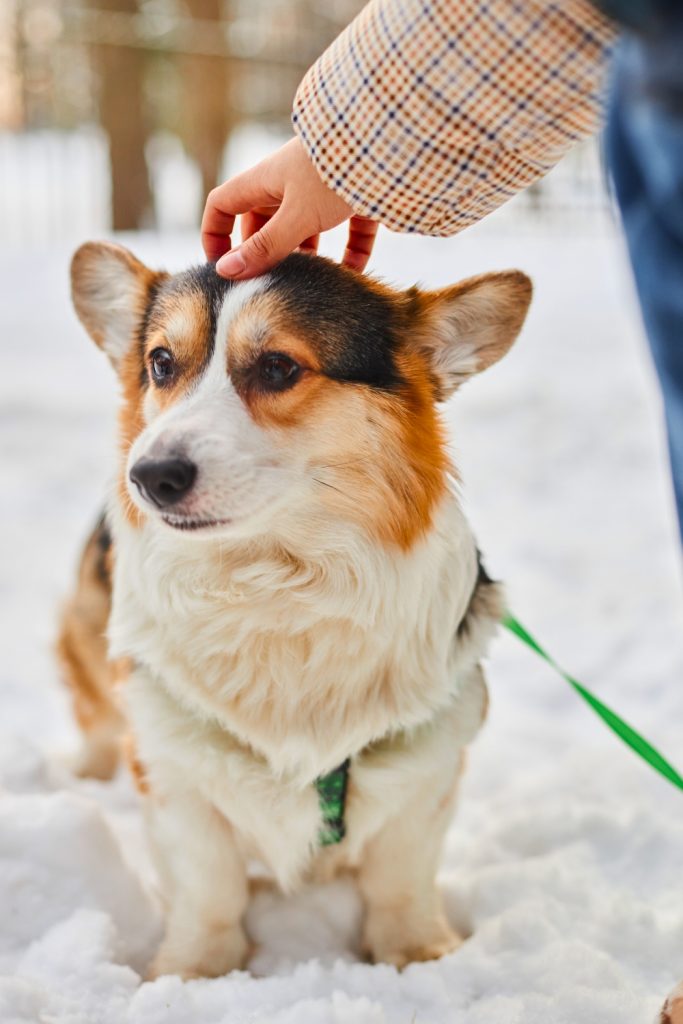
Understanding how your dog prefers to be petted is key to strengthening your bond. While some dogs tolerate head pats, many find them uncomfortable or intimidating.
By learning to read their body language and adjusting how you interact with them, you can make petting a truly enjoyable experience.
Instead of assuming all dogs love head pats, focus on the areas they enjoy the most. Pay attention to their subtle signals, respect their space, and adjust accordingly.
Your pup will trust you more, and your connection will grow even stronger.
